Mitigation Projects
Mitigation Projects
In 2026, Aspen Fire is putting more than $1 million on the ground for wildfire mitigation. This page explains how our projects work, what you can expect to see in your neighborhood, and how you can help. Links to each project area are below. Project areas are not limited to the ones below.
Why Mitigate?
Wildfire mitigation protects our community: the people, the infrastructure, and the natural landscape we all share. Reducing “fuels,” such as overgrown or dead vegetation, lowers the risk of a catastrophic wildfire and creates safer conditions for wildland firefighters to do their already dangerous work.
Wildfire is a natural part of Colorado’s ecosystems. Decades of fire suppression, dense vegetation, and prolonged drought have made fast-moving, high-intensity fires more likely. Proactive vegetation management helps restore healthier forest conditions while reducing risk to the homes and neighborhoods around them.
How Our Projects Work
Each project is planned with our partner agencies and tailored to the area being treated. The goal is a healthier, more fire-resilient landscape, not cleared ground.
Most projects happen in two phases.
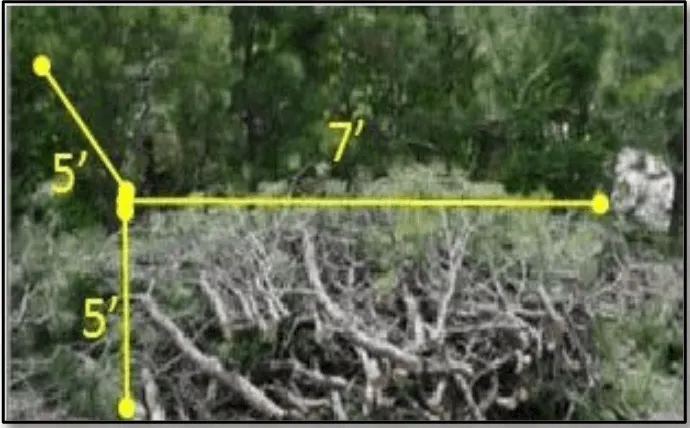
Phase 1: Vegetation management. Hand crews and machine thinning crews selectively thin dense stands of trees, reduce brush and shrubs, and remove ladder fuels, the low branches and small trees that can carry fire from the ground into the canopy. Work near homes focuses on the first 100 feet from occupied structures. Healthy, fire-resistant trees are kept wherever possible. Cut material is usually stacked into piles near where it was cut, which avoids the soil damage caused by dragging it out.
Phase 2: Pile removal. Once thinning is complete, the piles are removed, most often by burning them under safe conditions. See Pile Burning below.
What You May See
During project operations, nearby residents and trail users may see:
- Tree thinning and selective vegetation removal
- Brush and shrub reduction
- Chainsaw crews and vegetation management equipment
- Temporary brush piles
- Removal and processing of woody material
- Occasional helicopter operations, if needed
- Smoke and fire personnel during pile burning
Trails near active work may close temporarily or have short delays. Please follow posted signs and directions from crews.
Pile Burning
Many of our mitigation projects leave behind piles of branches, brush, and small trees cut by hand and machine thinning crews. To finish removing these fuels, Aspen Fire may burn the piles as part of the project.
When it happens. Pile burning typically takes place from late fall through early spring, once there is snow on the ground and weather and air quality conditions allow.
How it’s done safely. Every burn is carried out under a prescribed fire plan and a smoke permit from the Colorado Department of Public Health and Environment, and is led by qualified prescribed fire personnel. Crews monitor and patrol burn areas until the piles are out.
What to expect. Burning may cause short-term smoke in nearby neighborhoods and may leave scorched ground around pile sites. We work to notify affected landowners and neighbors before burn days.
Timing can change. Depending on conditions, piles may be burned over more than one season, or they may be chipped, removed, or left to cure for a later burn window, at Aspen Fire’s discretion.
To learn more about how planned fire is used as a land management tool, visit our Prescribed Fires page.
Common Questions
Is this clear-cutting?
No. Crews remove specific trees and shrubs that increase wildfire risk and leave healthy vegetation in place.
Why are brush piles left behind?
Stacking material where it was cut protects the soil. The piles are removed in a later phase, usually by burning them when conditions are safe.
Why burn the piles instead of hauling them away?
On steep or hard-to-reach hillsides, burning is often the safest and least disruptive way to remove the material. Where chipping or hauling makes sense, we may use those methods instead.
How does this help wildlife?
Overgrown forests and dense shrubs reduce habitat diversity. Thinning creates a more varied landscape that supports native plants and a wider range of wildlife.
Our Partners
Aspen Fire’s mitigation work is made possible through collaboration with the Aspen Wildfire Foundation, City of Aspen, Pitkin County, Aspen Center for Environmental Studies (ACES), U.S. Forest Service, and Aspen Snowmass.
Wildfire Resilience Is Ongoing
Vegetation management is not a one-time project. Future maintenance may include periodic treatments, monitoring regrowth, removing new hazardous fuels, and continued community mitigation efforts.
How You Can Be a Partner
Wildfire resilience begins at home.
- Reduce vegetation near your home, follow Home Hardening and Home Ignition Zone recommendations, and take part in community programs like Chipper Day. Our Vegetation Management Resources page is a good place to start.
- Sign a Mitigation Services Authorization form to allow our seasonal crews to treat fuels on your property at no cost to you. Signing does not guarantee service. Neighborhood critical mass is needed for a project to be considered.
- Support local wildfire resilience through our partner 501(c)(3), the Aspen Wildfire Foundation.